August 11, 2026
Privacy and security are two of the most common reasons homeowners decide to install a fence. A well-planned fence can create a more comfortable outdoor environment, discourage unwanted access, protect children and pets, and establish clear property boundaries. It can also reduce visibility from nearby roads, sidewalks, and neighboring yards, giving residents more freedom to enjoy patios, pools, gardens, and play areas. However, the results depend on choosing the right materials, height, layout, and installation method. Working with an experienced fence company helps homeowners balance appearance, function, local regulations, and long-term performance when planning an enclosure for their property.
Creating More Private Outdoor Spaces
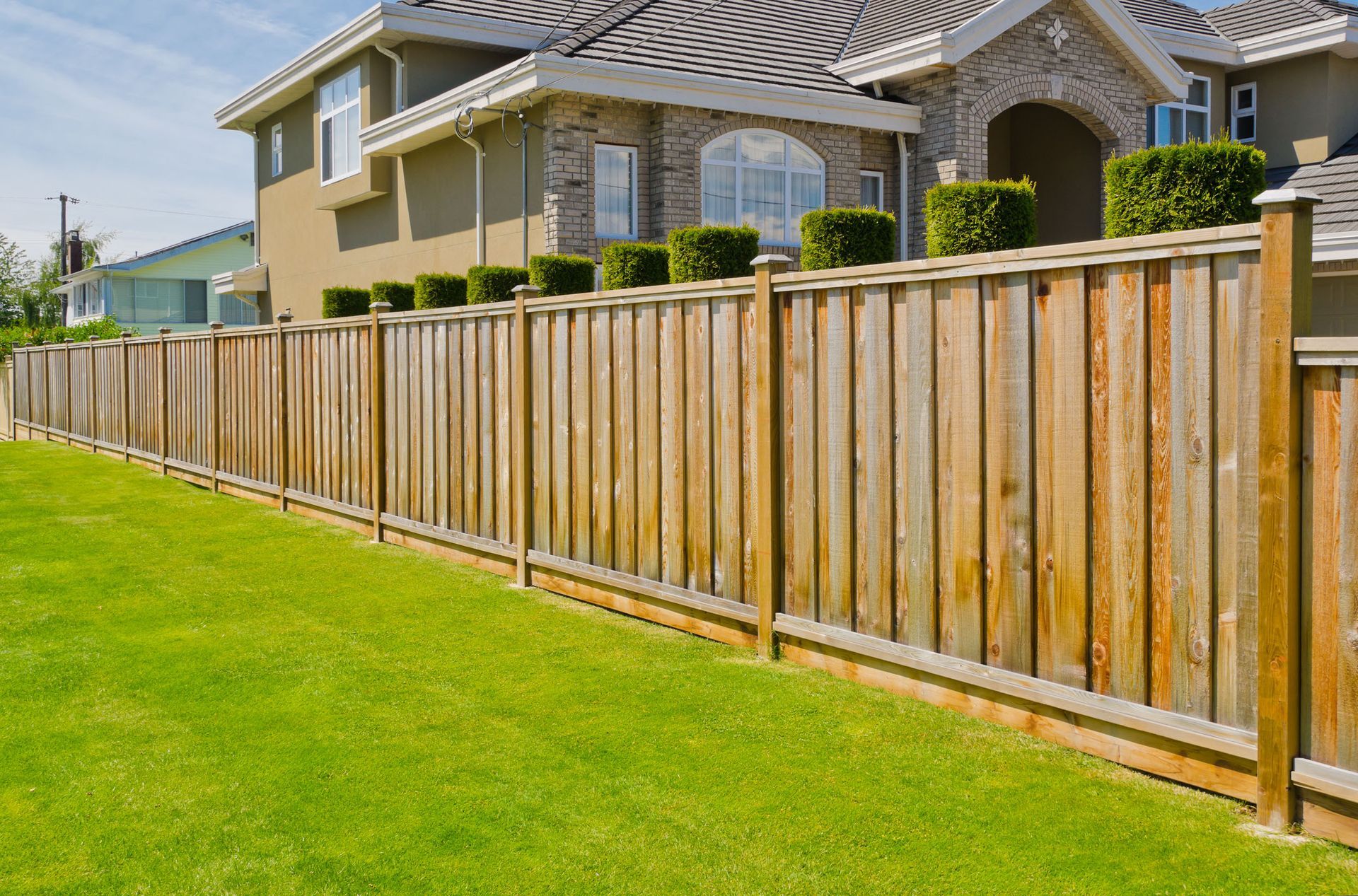
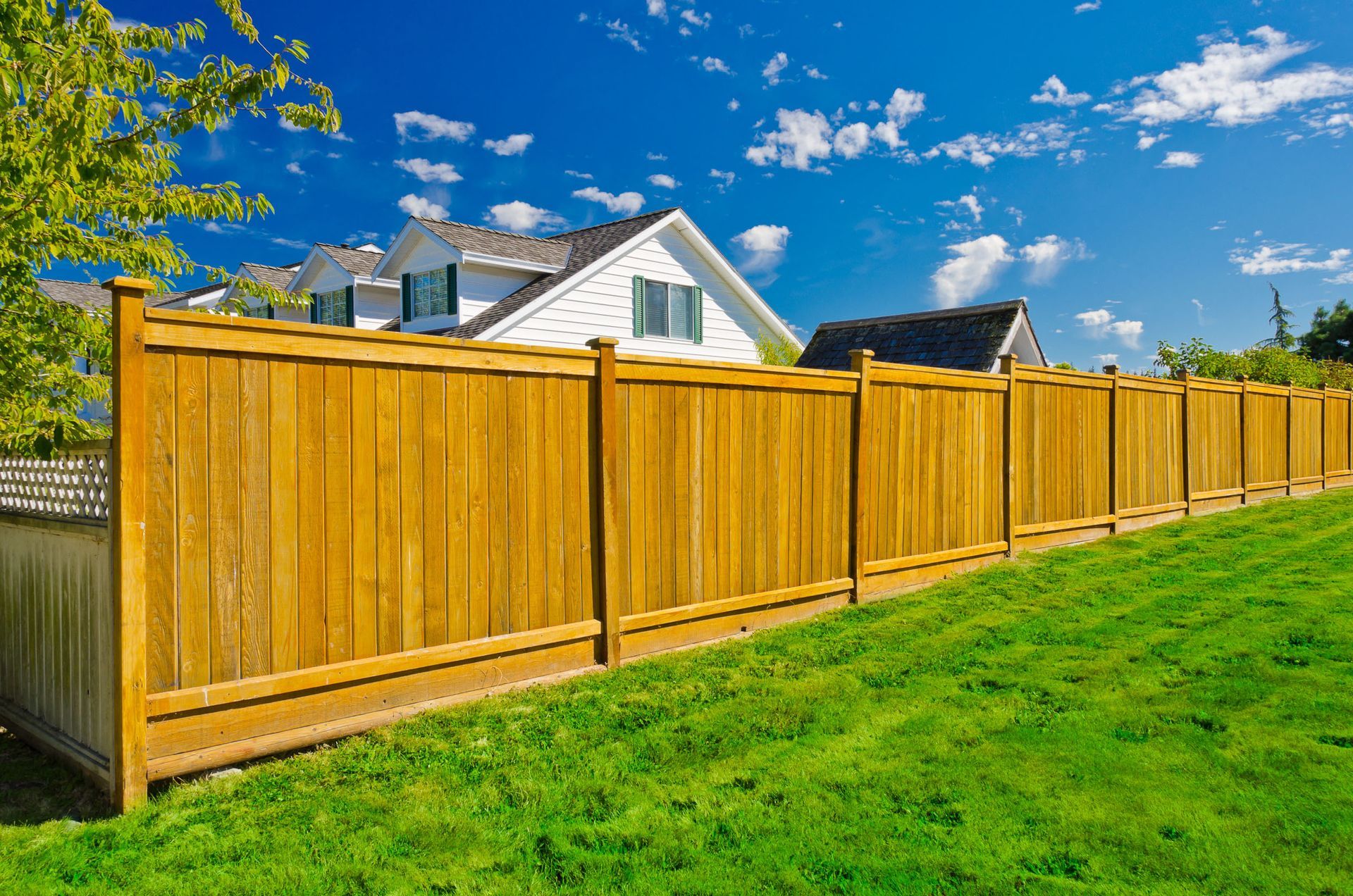
A properly designed fence can turn an exposed yard into a more secluded extension of the home. Solid wood, vinyl, composite, and closely spaced panel styles can block direct views from neighboring properties and public areas. This added privacy makes it easier to relax, entertain guests, exercise, garden, or spend time with family without feeling constantly visible. The right layout can also shield specific areas, such as decks, hot tubs, pools, and outdoor dining spaces, while preserving open views in other parts of the yard.
Privacy needs vary from one property to another. A corner lot may require coverage along multiple sides, while a smaller suburban yard may benefit from carefully placed panels near shared boundaries. An experienced fence company can evaluate sightlines, elevation changes, and surrounding structures before recommending an appropriate height and design. Strategic planning helps homeowners achieve the desired level of seclusion without making the yard feel unnecessarily enclosed or reducing natural light more than necessary.
Limiting Unwanted Access to the Property
Fencing creates a visible and physical barrier that can discourage people from entering a property without permission. Even a modest fence communicates where private space begins and directs visitors toward an intended entrance. Taller designs, secure gates, and limited climbing points can provide stronger protection around backyards, side yards, storage areas, and detached buildings. When paired with exterior lighting and reliable locks, a fence becomes part of a broader approach to residential security.
The design should match the level of protection the homeowner wants to achieve. According to Forbes, any security fence should be at least 8 feet high, although you can add a few feet of trellis to the top of a 6-foot fence for security. Local zoning rules may limit fence height, placement, or materials, so homeowners should verify requirements before construction begins. A knowledgeable fence company can help identify practical options that improve access control while complying with applicable property and neighborhood standards.
Protecting Children and Pets Outdoors
Families often use fencing to create a safer area where children and pets can play. A complete enclosure helps prevent young children from wandering toward streets, driveways, pools, or neighboring properties. It also allows dogs to spend time outdoors without being tethered or constantly supervised at close range. Gates with dependable latches are especially important because an unsecured opening can undermine the protection provided by the rest of the fence.
Material and spacing choices should reflect who will use the yard. Small pets may slip through wide gaps, while active dogs may require taller panels or barriers that extend close to the ground. Families with pools may need self-closing and self-latching gates that meet specific safety codes. An experienced fence company can recommend layouts, gate hardware, and panel styles suited to the household's needs. Careful installation reduces weak points and creates a more dependable boundary around outdoor activity areas.
Defining Clear Property Boundaries
Unclear property lines can lead to confusion about lawn care, landscaping, parking, storage, and outdoor improvements. A fence provides a visible boundary that helps residents and neighbors understand where one property ends and another begins. This distinction can reduce accidental encroachment and make it easier to organize gardens, walkways, sheds, and recreation areas. It can also prevent pedestrians or animals from using portions of the yard as an informal shortcut.
Before installation, homeowners should confirm the legal property lines instead of relying on old fences, hedges, or assumptions. A survey may be necessary when boundary markers are missing or disputed. Once the placement is verified, a professional installer can position the structure according to setback requirements and the approved plan. Accurate placement protects the homeowner's investment and reduces the risk of conflicts, removal orders, or costly adjustments after installation.
Reducing Visibility Into the Home
Outdoor privacy improvements can also reduce visibility into windows and interior living spaces. Homes located near sidewalks, busy roads, parking areas, or closely spaced neighboring properties may feel exposed, especially after dark when indoor lighting makes rooms easier to see. A fence can interrupt those sightlines and create an additional layer between the home and surrounding activity. This can make ground-floor rooms, patios, and entrances feel more private.
The best results often come from combining fencing with thoughtful landscaping. Trees, shrubs, trellises, and climbing plants can soften the appearance of solid panels while filling small gaps in coverage. However, vegetation should not interfere with gates, conceal damage, or create easy climbing points near secure areas. A fence company can help homeowners select a height and placement that improves privacy while leaving enough room for landscaping, maintenance, drainage, and natural growth.
Strengthening Gates and Entry Points
Gates are the most frequently used parts of many fences and must provide convenient access without weakening security. A gate that sags, drags, or fails to latch can be frustrating and may allow children, pets, or unwanted visitors to pass through. Strong posts, quality hinges, durable latches, and proper alignment help the gate remain reliable through repeated use and changing weather conditions. Homeowners may also consider keyed locks, combination latches, or automated driveway gates for greater control.
Gate placement matters as much as gate hardware. Entrances should support normal movement around the property without creating unnecessary access points. A side gate may provide convenient access for lawn equipment, while a wider opening may be needed for vehicles, trailers, or service providers. A professional fence company can plan each opening around the property's layout and reinforce nearby sections appropriately. This creates a smoother entry system while preserving the fence's overall strength and security.
Choosing Durable Materials and Construction
A fence can only provide lasting privacy and security if it remains stable over time. Posts must be set correctly, panels must be properly supported, and hardware should be suited to local weather conditions. Wind, moisture, salt air, freezing temperatures, and shifting soil can all affect performance. Materials such as vinyl, wood, aluminum, steel, and composite products offer different levels of privacy, maintenance, strength, and visual appeal. The best option depends on the property, budget, and desired lifespan.
Professional installation can reduce common problems such as leaning posts, uneven panels, loose gates, and premature deterioration. A qualified contractor can also help homeowners compare maintenance requirements and choose materials that fit the surrounding architecture. Regular inspections, cleaning, sealing, painting, and hardware adjustments may be needed depending on the selected material. Investing in sound construction and ongoing care helps the fence continue protecting the property rather than becoming a weak or damaged boundary.
Fence installation can improve privacy and security by limiting unwanted access, shielding outdoor and indoor spaces from view, protecting children and pets, defining property boundaries, and strengthening controlled entry points. The greatest benefits come from a design that fits the property's layout, follows local rules, and uses durable materials installed with attention to detail. Homeowners should consider height, panel spacing, gate placement, terrain, maintenance, and long-term use before selecting a final design. Working with a qualified fence company can simplify these decisions and help create a secure enclosure that also complements the home. To discuss privacy and security options for your property, contact Eagle Fence Company Cape Cod today.